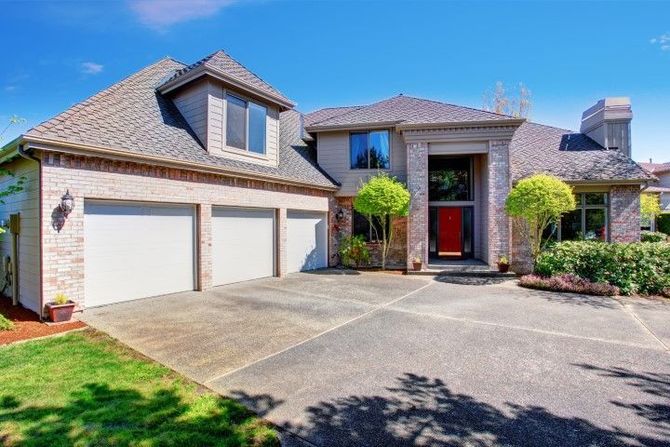
Cracked driveways, sinking slabs, worn patios, and other damaged concrete can quickly become more than an appearance issue. As cracks grow, water can work its way beneath the surface, while movement in the soil can leave sections of concrete uneven or separated. Yukon Concrete Contractor provides concrete installation, replacement, and repair services for homeowners and businesses throughout Yukon, Oklahoma, with each project planned around the property and how the finished concrete will actually be used.
Building durable concrete in central Oklahoma requires more than simply pouring a slab and waiting for it to cure. Yukon properties experience hot summers, cold winter stretches, heavy rainfall, changing temperatures, and soil conditions that can contribute to movement beneath concrete. Good preparation helps reduce many of the problems that eventually lead to cracking and settlement. Before a new slab is poured, factors such as grading, drainage, base preparation, reinforcement, concrete thickness, and control-joint placement should all be considered.
Every property is a little different, which is why the project should start with the area where the concrete is going. A driveway that regularly supports multiple vehicles has different requirements than a backyard patio, walkway, equipment pad, or foundation. Existing drainage patterns, surrounding structures, soil conditions, access to the site, and the intended use of the finished surface can all influence how the project should be approached. Whether you're replacing an older driveway, expanding an outdoor living area, repairing existing concrete, or preparing for new construction, taking these details into account from the beginning can help produce a better finished result.
Concrete Services We Offer:
- Concrete Driveways – Installation, replacement, and extensions for residential driveways, with attention given to vehicle loads, drainage, slab thickness, and the existing layout of the property.
- Concrete Patios – New backyard patios and outdoor concrete areas available with straightforward broom finishes as well as decorative options for homeowners looking for a more customized appearance.
- Concrete Repair – Repair options for cracked, chipped, settled, and deteriorating concrete when the condition of the existing slab makes repair a practical alternative to complete replacement.
- Concrete Foundations – Concrete foundation work supported by proper site preparation and planning for residential construction, additions, and other projects.
- Local Concrete Service – Concrete projects planned with Yukon’s weather, soil conditions, drainage concerns, and the demands of everyday residential and commercial use in mind.
Seeing a crack in a driveway or patio does not automatically mean the entire slab needs to come out. Some concrete can be repaired effectively, especially when the damage is limited and the slab remains stable. Other situations are different.
Significant settlement, widespread deterioration, repeated movement, or underlying base problems can make replacement the more sensible long-term option. Simply covering a crack or damaged area may improve its appearance temporarily, but it does little good if the condition that caused the problem is still present underneath.
That is why evaluating the existing concrete and surrounding property comes first.
Understanding whether the damage was caused by drainage, soil movement, an inadequate base, age, impact, or another issue makes it easier to determine what should happen next. From there, repair and replacement options can be compared based on the actual condition of the concrete, helping you put your money toward a solution that fits the property instead of repeatedly addressing the same problem.

Why Trust Us Your Concrete?
Hiring a concrete contractor in Yukon involves a lot more than choosing a mix and pouring it into place. The excavation, condition of the subgrade, amount of base material, grading, drainage, reinforcement, slab thickness, joint layout, and finishing process can all affect how well the finished concrete holds up. That preparation is particularly important in central Oklahoma, where concrete is exposed to intense summer heat, cold winter weather, thunderstorms, periods of heavy rainfall, and substantial temperature changes throughout the year. Clay-heavy soils found throughout the region can also change as moisture levels rise and fall, creating movement underneath slabs that were not adequately prepared or supported.
Yukon also has a wide variety of properties, so the requirements of one concrete project may be completely different from the next. Established neighborhoods closer to the older parts of Yukon may have aging driveways, patios, and sidewalks that have been in place for decades, while newer residential development continues to spread throughout the area and toward the broader Oklahoma City metro. There are also larger properties outside the more densely developed neighborhoods where access, drainage, grading, and the amount of concrete involved can become bigger considerations. An older property may require demolition and removal of an existing slab before anything new can be installed, while a newer home might need an extension or additional concrete designed to connect cleanly with a recently constructed driveway, patio, walkway, or other surface.
How the concrete will be used is another major part of determining how the project should be built. A residential driveway that handles trucks, SUVs, and daily vehicle traffic places very different demands on concrete than a backyard patio primarily supporting people, grills, and outdoor furniture. The same applies to concrete slabs for sheds, workshops, garages, hot tubs, equipment, and other structures. Instead of treating every slab the same way, its dimensions, preparation, thickness, reinforcement, and other details should reflect the weight and type of use it is expected to handle.
Before recommending an approach, we take the time to understand the project and the conditions surrounding it. That includes evaluating existing concrete when applicable, considering the soil and base underneath the proposed area, looking at grading and where stormwater naturally travels across the property, determining what loads the concrete will support, and accounting for equipment access and nearby structures. We also want to understand what you expect from the finished surface, including its appearance and how you plan to use it. With those details in mind, we can walk through the available options and develop a concrete plan suited to the actual property rather than relying on the same specifications for every job.
Our Concrete Services
Concrete projects may look fairly similar after the forms are removed and the surface is finished, but what goes into building them can vary considerably. A driveway has to withstand years of repeated vehicle traffic, while a backyard patio needs to be positioned and graded so rainwater moves in the right direction rather than collecting beside the home. Structural slabs, foundations, walkways, retaining walls, and commercial concrete each introduce their own considerations as well. We provide concrete services throughout Yukon and the surrounding Oklahoma City metro area, planning each project around its location, intended use, site conditions, and the demands the finished concrete will need to handle.
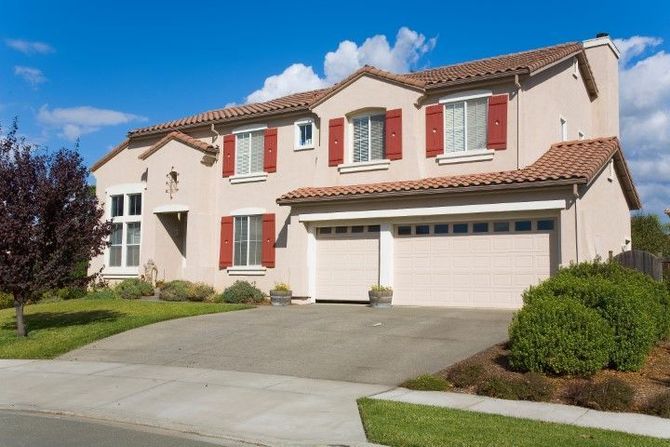
- Concrete Driveways: We install new concrete driveways, replace deteriorated driveways, and add extensions when homeowners need additional parking or usable space. A driveway needs more than a smooth finished surface to perform well over time. Excavation, base preparation, reinforcement, drainage, slab thickness, and control-joint placement should all be considered before concrete is poured. These details can be especially important around Yukon, where changing moisture levels and clay-rich soils can contribute to movement beneath inadequately supported concrete.
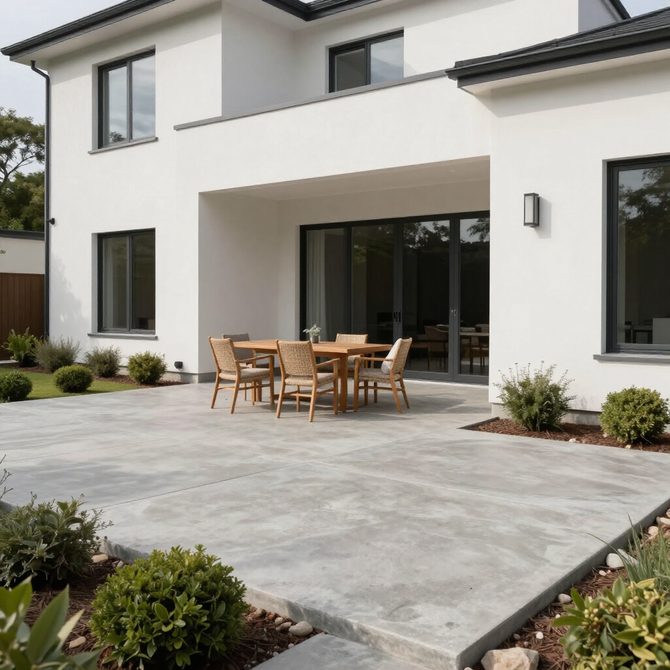
- Concrete Patios: A concrete patio can create a practical outdoor space for furniture, grills, dining areas, entertaining, and everyday backyard use. We can help plan the size and layout around the available space while considering how the patio connects with doors, walkways, landscaping, and other features of the property. Proper slope and drainage are also important so rainfall moves away from the home and doesn't routinely leave standing water across the patio or collect along the foundation.
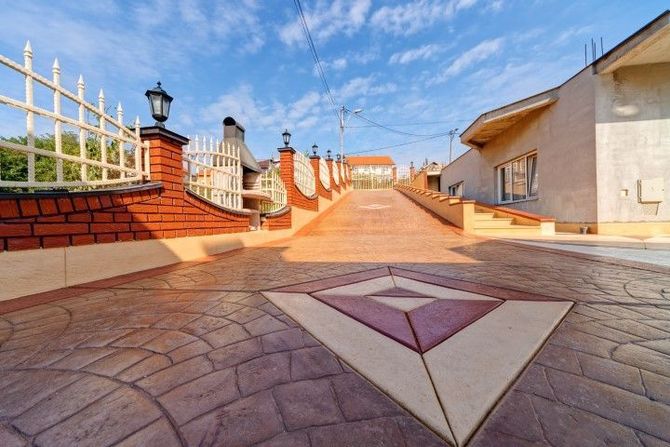
- Stamped & Decorative Concrete: Homeowners looking for something beyond a traditional broom-finished surface can choose from stamped patterns, textures, colors, and other decorative options. These finishes can be used for patios, walkways, entrances, and other visible areas around the property. Decorative concrete comes with additional considerations involving installation, sealing, maintenance, wear, and natural variations in color and appearance, so we can explain the differences before you decide which finish makes the most sense for your project and budget.
- Foundations & Concrete Slabs: Concrete slabs can be installed for sheds, workshops, garages, additions, equipment, hot tubs, and a variety of other residential or light commercial uses. The right approach depends heavily on what will eventually sit on top of the concrete. Site conditions, soil preparation, drainage, dimensions, reinforcement, and anticipated loads should be considered rather than using identical specifications for every slab. Concrete supporting a small backyard storage shed, for example, may have very different requirements from a slab intended for vehicles or a larger permanent structure.
- Walkways & Sidewalks: Concrete walkways can provide a cleaner, more convenient route between driveways, entrances, patios, garages, gates, side yards, and other frequently used parts of a property. The width and location of the walkway matter, but so do its elevation, slope, drainage, and transitions into surrounding surfaces. Thoughtful placement can make the walkway easier to use while reducing awkward elevation changes and helping runoff continue moving in the intended direction.
- Concrete Repair: Cracked or damaged concrete does not always need to be demolished and replaced. Smaller stable cracks, chipped edges, and certain areas of localized deterioration may be reasonable candidates for repair, depending on the condition of the remaining slab. More extensive settlement, widespread cracking, severe deterioration, or continued movement underneath the concrete can point toward a larger underlying problem. We consider the condition of the slab and the likely reason for the damage before determining whether repair or replacement makes more sense.
- Retaining Walls: Retaining walls can be used to manage changes in elevation, control erosion, create more usable areas, and support landscaping around sloped properties. These structures have to withstand pressure from the soil behind them, and water can significantly increase that pressure when it has nowhere to drain. Proper drainage, preparation, and construction therefore matter just as much as the visible portion of the wall itself.
- Commercial Concrete: We provide concrete services for commercial properties as well, including sidewalks, slabs, equipment areas, parking surfaces, and other concrete applications. Commercial projects often introduce additional considerations involving vehicle or equipment traffic, accessibility, drainage, scheduling, and maintaining access to the property while work is underway. The concrete should be planned around those operating requirements as well as the loads the finished surface will experience.
From established neighborhoods near central Yukon and Route 66 to newer development extending toward Oklahoma City and other parts of Canadian County, the properties we work on can vary significantly in age, layout, drainage, soil conditions, and existing improvements. Instead of assuming that every driveway, patio, slab, or repair calls for the same approach, we look at the site and what you're trying to accomplish first. From there, we can determine an appropriate plan for the project before the concrete is poured.
The Local Concrete Contractor that's well loved by the community
The quality of a concrete project isn't determined by the finished surface alone. Much of the work that matters most is eventually hidden underneath it. When comparing contractors for a new driveway, patio, walkway, or slab, estimates that look similar at first glance may actually involve very different approaches to excavation, grading, base preparation, reinforcement, drainage, concrete depth, and joint placement. Cutting corners on those parts of the project may not be immediately noticeable after the pour, but the differences can become much more apparent as the concrete is exposed to years of weather, traffic, and movement beneath the slab.
That preparation is especially relevant for properties around Yukon and Canadian County. Soil throughout this part of Oklahoma can contain substantial amounts of clay, which responds to changes in moisture by expanding and contracting. A stretch of wet weather can saturate the ground, while Oklahoma's summer heat can dry it considerably afterward. Over time, those cycles can contribute to movement beneath concrete surfaces. Good drainage, appropriate grading, a properly prepared and compacted base, and an installation designed for the conditions of the property can help provide a more stable starting point. We also consider existing concrete, surrounding structures, access for equipment, elevations across the site, and the amount and type of traffic the finished concrete will receive.
When replacing damaged concrete, we don't want to focus exclusively on what can be seen from the surface. A driveway that has sunk several inches, developed widespread cracking, or separated from adjoining concrete may be showing symptoms of something happening underneath it. Removing the old slab provides an opportunity to evaluate those conditions rather than automatically rebuilding everything exactly as it was before. Drainage problems, insufficient base material, poor compaction, erosion, or soil movement may have contributed to the failure, and identifying those issues can help determine how the replacement should be approached.
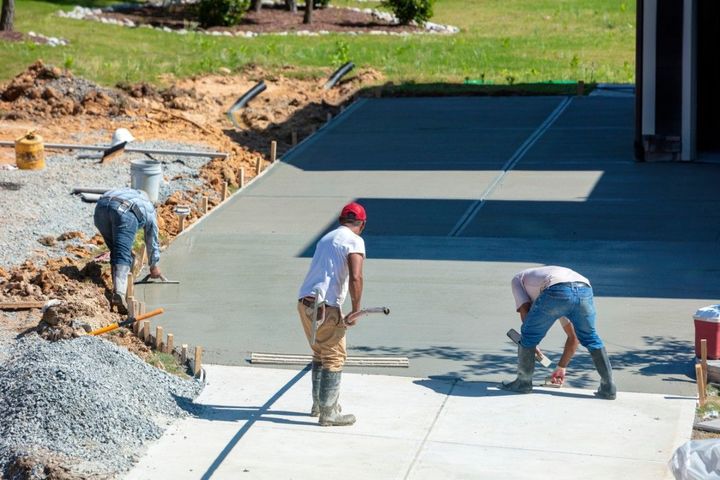
We also want you to understand what happens from the beginning of the project through the point when the new concrete is ready for normal use. Depending on the job, that can include demolition and removal of existing material, excavation, preparation and forming, reinforcement, the actual pour, finishing, cleanup, and curing. Although freshly poured concrete can become firm enough to walk on relatively quickly, that doesn't mean it is immediately ready for vehicles or other substantial loads. Concrete continues developing strength as it cures, so following the recommended waiting period before placing heavier loads on the surface is an important final part of the installation process.
If site conditions reveal something unexpected or we believe part of the original plan should be adjusted, we'll explain the issue before moving forward. You should be able to understand what you're paying for without needing to know every technical detail of concrete construction. Our approach is to explain the important parts, answer questions as they come up, and make sure the work being performed makes sense for the property, the intended use of the concrete, and the conditions found on site..
How We Tackle Your Specific Concrete Project
Good concrete work begins with understanding the site, not when the concrete truck pulls up. Properties throughout Yukon range from established neighborhoods around Route 66 and central Yukon to newer residential development stretching toward Oklahoma City, and the conditions can vary considerably from one project to another. The amount of room available for equipment, existing elevations, drainage patterns, soil conditions, surrounding structures, old concrete, and the purpose of the new surface all need to be considered before installation begins. Our process is built around identifying those factors early, developing a plan for the property, and making sure you know what to expect as the project moves forward.
- Initial Consultation: The process begins with a conversation about the project and an evaluation of the area where the concrete will be installed. We'll discuss what you want to accomplish, how the finished surface will be used, and any existing problems you're hoping to correct. This is also an opportunity to look for uneven or settled concrete, drainage concerns, changes in elevation, restricted equipment access, nearby structures, and areas where water tends to collect. On Yukon properties, signs of soil movement or recurring drainage problems are worth identifying early because they may influence how the new concrete should be prepared.
- Project Estimate: After we have a better understanding of the job, we can develop an estimate based on what the project actually requires. Total square footage obviously affects the amount of concrete and labor involved, but it doesn't tell the entire story. Demolition, excavation, slab thickness, base preparation, reinforcement, accessibility, disposal of old material, the selected finish, and decorative features can all affect pricing. When there are multiple reasonable ways to approach part of the project, we'll explain the differences so you can decide whether an additional feature or upgrade provides enough value to justify the added expense.
- Site Preparation: Much of the work that determines how a slab performs happens during preparation and eventually becomes invisible beneath the finished concrete. Depending on the site, this stage can involve removing and hauling away old concrete, excavating to the required depth, correcting the grade, removing unsuitable material, installing and compacting the base, building forms, and placing reinforcement. Preparation is particularly important in central Oklahoma, where clay-heavy soils and changing moisture conditions can contribute to movement beneath slabs. The objective is to create a properly prepared and supported area before any concrete is placed.
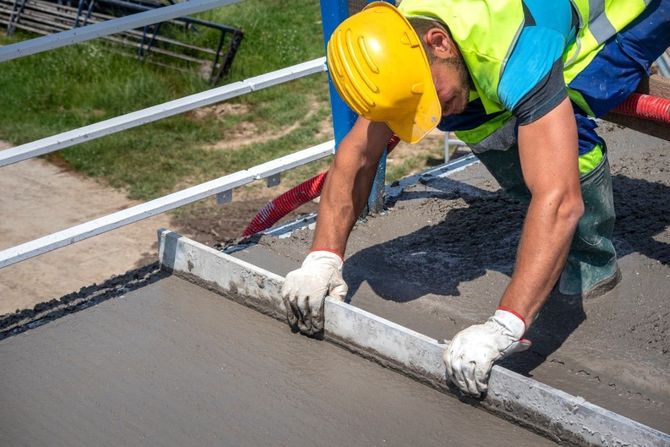
- Pouring & Finishing: Once preparation is complete, the concrete can be placed and worked to the appropriate elevation and finish. The finishing method depends on where the concrete is being installed and how it will be used. Driveways, sidewalks, and other surfaces where traction is important commonly receive a broom finish, while patios and more visible areas may use other standard or decorative finishes. Control joints are incorporated at planned locations to help accommodate the natural shrinkage and movement that occurs as concrete cures and responds to changing temperatures. They cannot eliminate every possible crack, but properly planned joints encourage cracking to occur in more controlled and predictable locations.
- Curing & Final Walkthrough: Finishing the surface isn't the end of the installation. New concrete continues to develop strength as it cures, and the amount of time before it should be subjected to regular use depends on the type of project, weather, concrete mixture, and loads it will eventually support. Walking across a new surface generally requires far less strength than parking a vehicle on a driveway or placing substantial weight on a slab. We'll explain the appropriate timeline for your particular project, including when normal foot traffic, outdoor furniture, vehicles, or other loads can return. Once the work is complete, we'll review the finished project and address any remaining questions about use, curing, or maintenance.
Locally Serving the Central Okahoma and the Yukon Community with Pride
Yukon has grown significantly along with the rest of the Oklahoma City metro, and today the area includes everything from older neighborhoods and long-established properties to new subdivisions, commercial development, and homes still surrounded by active construction. Those differences can have a real impact on how a concrete project is approached. Replacing an aging driveway near central Yukon or Route 66 may involve removing old concrete, correcting settled areas, and working with drainage patterns that have changed over the years. A patio or slab at a newer home can present an entirely different set of challenges, including working around fences, landscaping, utilities, recently installed improvements, and limited access to the backyard.
The local environment also plays a role in how concrete should be planned and installed. Yukon experiences long stretches of summer heat, periods of dry weather, strong thunderstorms, heavy rainfall, and occasional freezing temperatures during the winter. The clay-rich soils common throughout central Oklahoma add another consideration because they can expand as they absorb moisture and contract as they dry. That repeated movement can place additional stress on concrete, particularly when the slab doesn't have adequate support underneath it. Drainage is equally important during Oklahoma's heavier storms. Water should have a practical route across and away from the property instead of consistently pooling beside concrete, washing away supporting material, or collecting near the home's foundation.
We provide concrete services for homeowners and businesses throughout Yukon and surrounding communities in Canadian County, with the approach based on the conditions of the individual property rather than a one-size-fits-all set of specifications. Whether you're removing and replacing an older driveway, adding extra parking space, building a backyard patio, installing a slab for a future structure, or planning concrete as part of a larger construction project, we'll consider how the area is used, what the concrete will need to support, how water moves across the site, and what existing conditions could affect the work. The goal is to plan the project around what is actually happening on the property before the first load of concrete arrives.
FAQs
What types of concrete projects do you specialize in?
We specialize in a wide range of concrete projects, including new driveways, custom patios, decorative stamped concrete, strong foundations, walkways, and essential concrete repairs for both residential and commercial properties.
How long does a typical concrete driveway installation take?
The timeline for a concrete driveway installation varies based on size and complexity, but most projects are completed within 3-7 days. This includes prep work, pouring, curing, and finishing, ensuring a durable result.
Do you offer free estimates for concrete work?
Absolutely! We provide free, no-obligation estimates for all concrete services. We'll assess your project, discuss options, and give you a transparent quote so you know exactly what to expect.
Why choose a local concrete contractor?
Choosing a local concrete contractor means you're getting someone familiar with local building codes, soil conditions, and climate factors. We're invested in the community and committed to providing personalized, responsive service. Call us for a prompt chat!
Are you ready to start your concrete project?
If you're considering a concrete project in Yukon, a good place to start is by understanding what the property needs and what options make sense for the job. Whether you're planning a new driveway, backyard patio, concrete slab, walkway, driveway extension, or repairs to an existing surface, we can take a look at the project, discuss what you're trying to accomplish, and help determine an appropriate approach based on the site and intended use.
During that process, we'll answer your questions and walk through the details that can influence both the scope of work and the overall cost. Depending on the project, those factors may include the size and thickness of the concrete, demolition and removal of an existing slab, equipment access, grading and drainage, base preparation, reinforcement, the selected finish, and the condition of the soil or existing concrete. Understanding those details upfront makes it easier to compare your options and know what you're actually paying for before work begins.
If your existing concrete is cracked, sinking, uneven, or beginning to deteriorate, you also don't need to determine on your own whether repair or replacement is the right direction. We'll consider the extent of the damage and what may be causing it, then explain the practical options available for the property. That way, you can make a decision based on the actual condition of the concrete rather than guessing whether a temporary repair will be enough.
Contact Yukon Concrete Contractor today to discuss your project and request a free, no-obligation estimate.